
Natural vs Synthetic Skincare: Which is Actually Better for Your Skin?
Are natural ingredients really better than synthetic ones? This myth-busting guide reveals the science behind natural vs lab-made skincare and which delivers better results.
# Natural vs Synthetic Skincare: The Truth About What's Really Better
The clean beauty movement has convinced many that "natural" automatically means better, while "synthetic" equals harmful. But is this actually true?
As a cosmetic chemist, I'm here to debunk myths and reveal what science actually says about natural vs synthetic skincare ingredients.
📊 Quick Facts at a Glance
| Factor | 🌿 Natural Ingredients | 🧪 Synthetic Ingredients |
|---|---|---|
| Safety | ⚠️ Not always safer | ✓ Not always harmful |
| Effectiveness | Variable potency | Consistent results |
| Stability | Can degrade faster | ✓ More stable |
| Allergen Risk | ❌ Can be higher | ✓ Can be lower |
| Environmental Impact | Variable (not always eco-friendly) | Variable (often more sustainable) |
| Cost | 💰 Often more expensive | 💵 Usually more affordable |
| Regulation | Same FDA/EU standards | Same FDA/EU standards |
| Best Approach | 🏆 Use BOTH for optimal results! | |
The Truth About "Natural"
Natural doesn't automatically mean safe.Poison ivy, arsenic, and snake venom are all natural—but you wouldn't put them on your face!
Natural Skincare Concerns:
- Inconsistent potency: Plant extracts vary in concentration
- Higher allergen risk: Many natural ingredients cause reactions
- Shorter shelf life: Can oxidize or degrade quickly
- Contamination risk: May contain pesticides or heavy metals
- Not always sustainable: Some natural ingredients harm ecosystems
Natural Skincare Benefits:
✓ Some offer unique bioactive compounds ✓ Well-tolerated when properly formulated ✓ Can be effective for certain conditions ✓ Traditional use backed by modern researchThe Truth About "Synthetic"
Synthetic doesn't automatically mean harmful.Many synthetic ingredients are:
- Identical to natural versions (just lab-made)
- More pure and consistent
- Better tested for safety
- More sustainable (no harvesting rare plants)
Synthetic Skincare Benefits:
✓ Consistent potency and results ✓ Higher purity (no contaminants) ✓ Better stability and shelf life ✓ Often more sustainable ✓ Rigorously tested for safetySynthetic Skincare Concerns:
- Some people prefer "natural" psychologically
- Certain synthetics can irritate (but so can natural ingredients!)
Science-Backed Comparisons
Vitamin C: Natural vs Synthetic
- Natural (from oranges): Unstable, inconsistent concentration
- Synthetic (L-ascorbic acid): Stable, 20% concentration, proven results
- Winner: Synthetic for effectiveness
Hyaluronic Acid: Natural vs Synthetic
- Natural (rooster combs): Animal-derived, ethical concerns
- Synthetic (fermented): Vegan, identical molecule, more sustainable
- Winner: Synthetic for ethics and consistency
Retinol: Natural vs Synthetic
- Natural (from liver): Vitamin A, but impractical source
- Synthetic: Pure retinol, controlled dosage, proven anti-aging
- Winner: Synthetic for efficacy and safety
Best Ingredients from Each Category
Top Natural Ingredients That Work:
1. Aloe Vera - Soothing, hydrating 2. Green Tea Extract - Antioxidant powerhouse 3. Rosehip Oil - Vitamin C, fatty acids 4. Turmeric - Anti-inflammatory, brightening 5. Kojic Acid (from fungi) - Dark spot treatmentTop Synthetic Ingredients That Work:
1. Hyaluronic Acid - Intense hydration 2. Niacinamide - Brightening, pore-refining 3. Peptides - Collagen-boosting 4. Ceramides - Skin barrier repair 5. Retinol - Gold standard anti-agingWhat Really Matters: Quality & Formulation
The source matters less than:- Ingredient concentration
- Formulation stability
- Product testing
- Clinical evidence
- Your skin's response
How to Choose Quality Products
Look for: ✓ Clinical testing and evidence ✓ Proper concentrations of active ingredients ✓ Stable, effective formulations ✓ Third-party testing ✓ Transparent ingredient lists Ignore: ❌ "100% natural" marketing claims ❌ "Chemical-free" labels (everything is chemicals!) ❌ Fear-mongering about "toxins" ❌ Unsubstantiated miracle claimsThe Hybrid Approach (Best of Both)
Smart skincare combines natural AND synthetic ingredients for optimal results:
Example Routine:- Cleanse: Vale Kojic Acid Soap (natural kojic acid from fungi)
- Tone: Rose Water Toner (natural + synthetic preservatives)
- Treat: Vitamin C Serum (synthetic L-ascorbic acid)
- Moisturize: Hyaluronic Acid + Aloe Vera (synthetic + natural)
- Protect: Mineral Sunscreen (synthetic formula, natural minerals)
Common Myths Debunked
Myth: "Natural ingredients are always gentler" Truth: Many natural ingredients (essential oils, fragrances) cause irritation Myth: "Synthetic ingredients are carcinogenic" Truth: All ingredients undergo rigorous safety testing; synthetics are not inherently harmful Myth: "Parabens are dangerous" Truth: Parabens are one of the safest, most well-studied preservatives Myth: "You can't pronounce it = it's bad" Truth: Scientific names sound scary but aren't harmful (e.g., "tocopherol" = vitamin E)Environmental Considerations
Natural isn't always eco-friendly:- Palm oil → deforestation
- Mica mining → child labor
- Rare plant harvesting → species extinction
- Lab-created = no habitat destruction
- Consistent production = less waste
- Longer shelf life = less product discarded
Regulatory Truth
Important: Natural and synthetic ingredients follow THE SAME safety regulations in the US (FDA) and EU.All ingredients must be:
- Safety tested
- Properly labeled
- Proven non-toxic at used concentrations
Product Recommendations
Best Natural Products:- Pure Aloe Vera Gel 99% ($12.99)
- Organic Rosehip Oil ($16.99)
- Turmeric Face Mask ($17.99)
- Hyaluronic Acid Serum ($22.99)
- Niacinamide 10% Serum ($18.99)
- Retinol Night Cream ($26.99)
- Vitamin C + Ferulic Acid Serum ($24.99)
- Peptide + Plant Stem Cell Cream ($32.99)
- Vale Kojic & Turmeric Soap ($6.99)
The Bottom Line
Stop choosing sides! The best skincare uses both natural and synthetic ingredients based on what works, not marketing hype.Focus on:
- Evidence-based ingredients
- Proper formulation
- Your skin's individual needs
- Clinical results
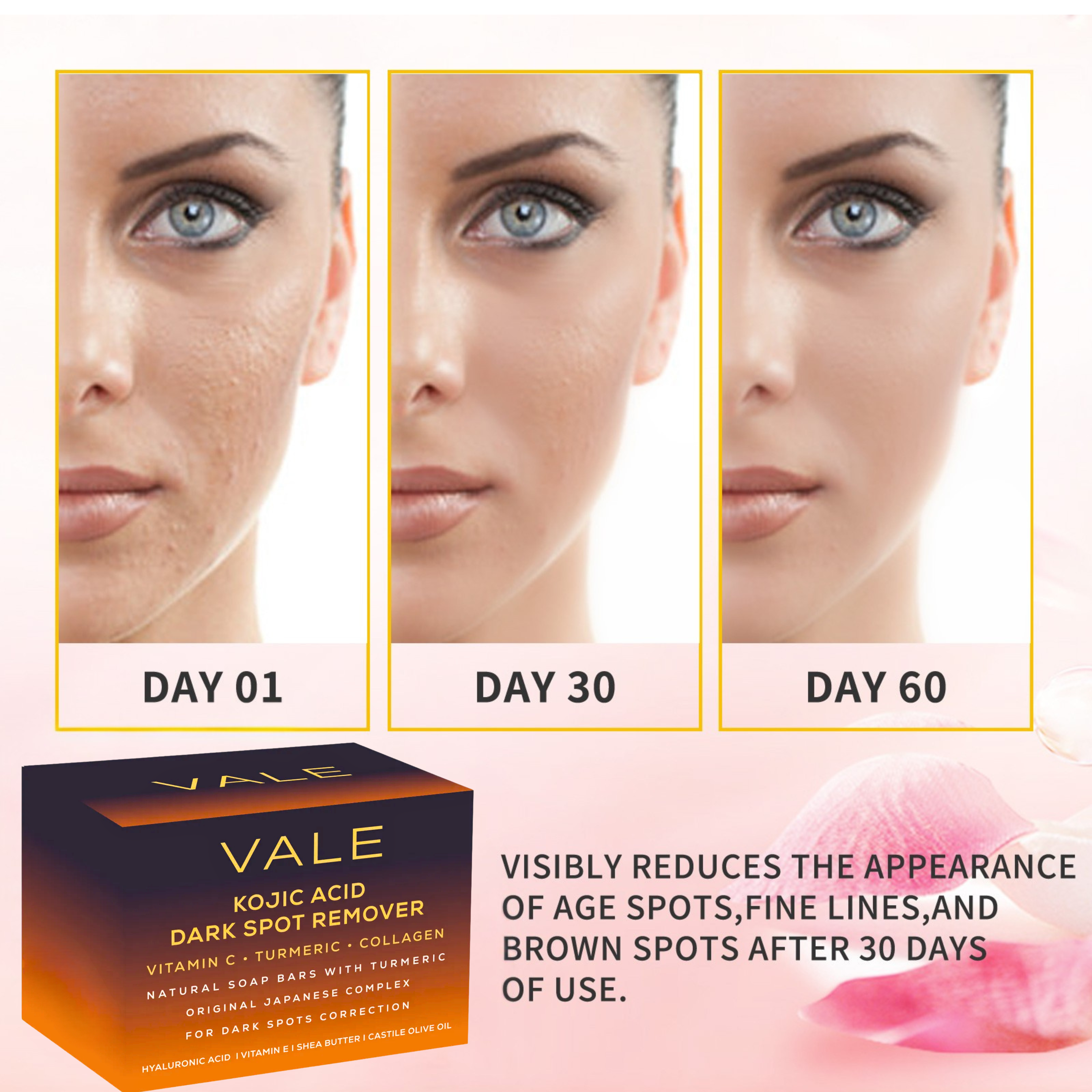
Ready to Try Vale Kojic Acid Soap?
Experience the natural skin brightening power that thousands of customers love. Transform your skin in just 30 days with our premium kojic acid formula.
Love This Article? Try Our Products!
Put these skincare tips into action with our premium Vale Kojic Acid Soap. Join thousands of satisfied customers who achieved amazing results.