
Mineral vs Chemical Sunscreen: Which SPF Type is Best for Your Skin?
Confused about physical vs chemical sunscreen? This dermatologist-approved guide compares mineral and chemical SPF, revealing which protects better and suits different skin types.
# Mineral vs Chemical Sunscreen: The Complete SPF Showdown
Wearing SPF daily is non-negotiable for healthy skin—but should you choose mineral (physical) or chemical sunscreen?
As a board-certified dermatologist, I'll compare both types and help you find the perfect sunscreen for your skin type, tone, and lifestyle.
📊 Quick Comparison at a Glance
| Factor | ☀️ Mineral Sunscreen | 🧴 Chemical Sunscreen |
|---|---|---|
| Active Ingredients | Zinc oxide, titanium dioxide | Avobenzone, octinoxate, etc. |
| How It Works | Reflects UV rays (physical barrier) | Absorbs UV rays (chemical reaction) |
| Protection Starts | ✓ Immediately | ⏱️ After 20 minutes |
| White Cast | Common (esp. dark skin) | Usually none |
| Feel on Skin | Thicker, can be chalky | Lightweight, invisible |
| Sensitive Skin | ✓ Excellent | ⚠️ Can cause irritation |
| Acne-Prone Skin | Can clog pores | Lighter formulas available |
| Water Resistance | Good | Excellent |
| Reef-Safe | ✓ Yes (usually) | ❌ Often not |
| Best For | Sensitive skin, children, rosacea | Oily skin, darker tones, daily use |
What is Mineral Sunscreen?
Mineral (physical) sunscreen uses natural minerals that sit on top of skin and reflect UV rays like a mirror.
Active Ingredients:
- Zinc Oxide - Broad spectrum UVA/UVB protection
- Titanium Dioxide - Primarily UVB protection
How Mineral Sunscreen Works:
Think of it as a physical shield that bounces sun rays away from your skin before they can penetrate.Benefits of Mineral Sunscreen:
✓ Works immediately (no wait time) ✓ Rarely causes irritation ✓ Ideal for sensitive skin ✓ Safe for children and babies ✓ Reef-safe and eco-friendly ✓ Photostable (doesn't degrade in sun)Drawbacks:
❌ White cast (especially on dark skin) ❌ Thicker, can feel heavy ❌ May clog pores ❌ Can leave chalky finish Best for: Sensitive skin, rosacea, eczema, children, pregnancy, reef-safe requirementsWhat is Chemical Sunscreen?
Chemical sunscreen uses synthetic compounds that absorb UV rays and convert them to heat, which is then released from the skin.
Common Active Ingredients:
- Avobenzone
- Octinoxate
- Octisalate
- Oxybenzone
- Homosalate
How Chemical Sunscreen Works:
Acts like a sponge that absorbs UV radiation, transforms it into heat, and releases it from the body.Benefits of Chemical Sunscreen:
✓ No white cast ✓ Lightweight, invisible finish ✓ Easy to apply and blend ✓ Works well under makeup ✓ Great for darker skin tones ✓ Often water-resistantDrawbacks:
❌ Requires 20-minute wait before sun exposure ❌ Can cause irritation (especially oxybenzone) ❌ May trigger heat-related issues (rosacea) ❌ Some ingredients harm coral reefs ❌ Can degrade in sunlight (reapply more often) Best for: Oily skin, darker skin tones, athletes, everyday wear under makeupWhich Offers Better Protection?
Both offer equal protection when:- Labeled "broad spectrum"
- SPF 30 or higher
- Applied correctly (1/4 teaspoon for face)
- Reapplied every 2 hours
Best for Each Skin Type
Sensitive/Reactive Skin:
Winner: Mineral- Less likely to cause irritation
- Gentle, non-reactive ingredients
- Recommended by dermatologists for sensitive skin
Oily/Acne-Prone Skin:
Winner: Chemical (lightweight formulas)- Absorbs better, less pore-clogging
- Matte finish options available
- Doesn't leave residue
Dry/Mature Skin:
Winner: Mineral (with moisturizing base)- Often contains nourishing ingredients
- Doesn't dry out skin like some chemical filters
- Provides physical barrier
Dark/Deep Skin Tones:
Winner: Chemical- No white cast or ashy finish
- Blends invisibly
- Easier to reapply without visible buildup
Combination Skin:
Winner: Either (depends on formulation)- Look for "tinted" mineral or "matte" chemical
- Test to see which feels better
Environmental Impact
Mineral Sunscreen:
✓ Reef-safe (zinc oxide, titanium dioxide) ✓ Non-toxic to marine life ✓ Preferred in Hawaii, US Virgin Islands, PalauChemical Sunscreen:
❌ Oxybenzone and octinoxate banned in some areas ❌ Can harm coral reefs ✓ Some "reef-safe" chemical formulas available Eco-conscious choice: Mineral sunscreen or reef-safe chemical formulasSafety Concerns Explained
Chemical Sunscreen Controversies:
- Oxybenzone: Possible hormone disruption (in high doses)
- Octinoxate: Environmental concerns
- Avobenzone: Can cause allergic reactions
Mineral Sunscreen Safety:
- Zinc oxide and titanium dioxide: GRASE (Generally Recognized as Safe and Effective)
- Non-nano particles preferred (don't penetrate skin)
- No known hormone disruption
How to Apply Each Type
Mineral Sunscreen Application:
1. Start with clean, moisturized skin 2. Shake bottle well 3. Apply generous amount (1/4 tsp for face) 4. Blend thoroughly (can take longer) 5. Immediate protection—no wait time 6. Reapply every 2 hoursChemical Sunscreen Application:
1. Apply to clean, dry skin 2. Use generous amount (1/4 tsp for face) 3. Blend easily 4. Wait 20 minutes before sun exposure 5. Reapply every 2 hours (or after swimming)Common Mistakes to Avoid
❌ Not applying enough (most people use 25% of needed amount) ❌ Forgetting to reapply every 2 hours ❌ Skipping sunscreen on cloudy days (80% of UV rays penetrate clouds) ❌ Not waiting 20 minutes with chemical sunscreen ❌ Using expired sunscreen (loses effectiveness) ❌ Mixing incompatible products (some ingredients deactivate SPF)
Newer Sunscreen Innovations
Tinted Mineral Sunscreens:
- Solve white cast problem
- Provide light coverage
- Work for multiple skin tones
Hybrid Sunscreens:
- Combine mineral + chemical filters
- Balance benefits of both
- Reduce drawbacks
Powder Sunscreens:
- Easy reapplication over makeup
- Mineral-based
- Convenient for on-the-go
Product Recommendations
Best Mineral Sunscreens:- Zinc Oxide SPF 50 Tinted ($19.99)
- Mineral Sunscreen SPF 50 ($18.99)
- Baby-Safe Mineral SPF 45 ($16.99)
- Lightweight SPF 50 Fluid ($22.99)
- Mattifying Chemical SPF 40 ($20.99)
- Water-Resistant Sport SPF 50 ($24.99)
- Tinted Mineral + Chemical SPF 45 ($26.99)
- Invisible Hybrid SPF 50 ($28.99)
The Verdict
No clear winner—it depends on your needs! Choose Mineral Sunscreen if:- You have sensitive, reactive skin
- You prefer natural, reef-safe ingredients
- You need immediate protection
- You have children or are pregnant
- You have oily skin or darker skin tone
- You want invisible, lightweight formula
- You need water-resistant protection
- You wear it under makeup daily
The Non-Negotiables
Regardless of which type you choose: ✓ SPF 30 minimum (SPF 50 recommended) ✓ Broad-spectrum protection (UVA + UVB) ✓ Apply 1/4 teaspoon for face, 1 ounce for body ✓ Reapply every 2 hours ✓ Use daily—even indoors (UVA penetrates windows)
Complete your routine: After cleansing with Vale Kojic Soap and applying vitamin C serum, finish with SPF 50 sunscreen every morning! Shop Sunscreen Collection: [View Products](#)Ready to Try Vale Kojic Acid Soap?
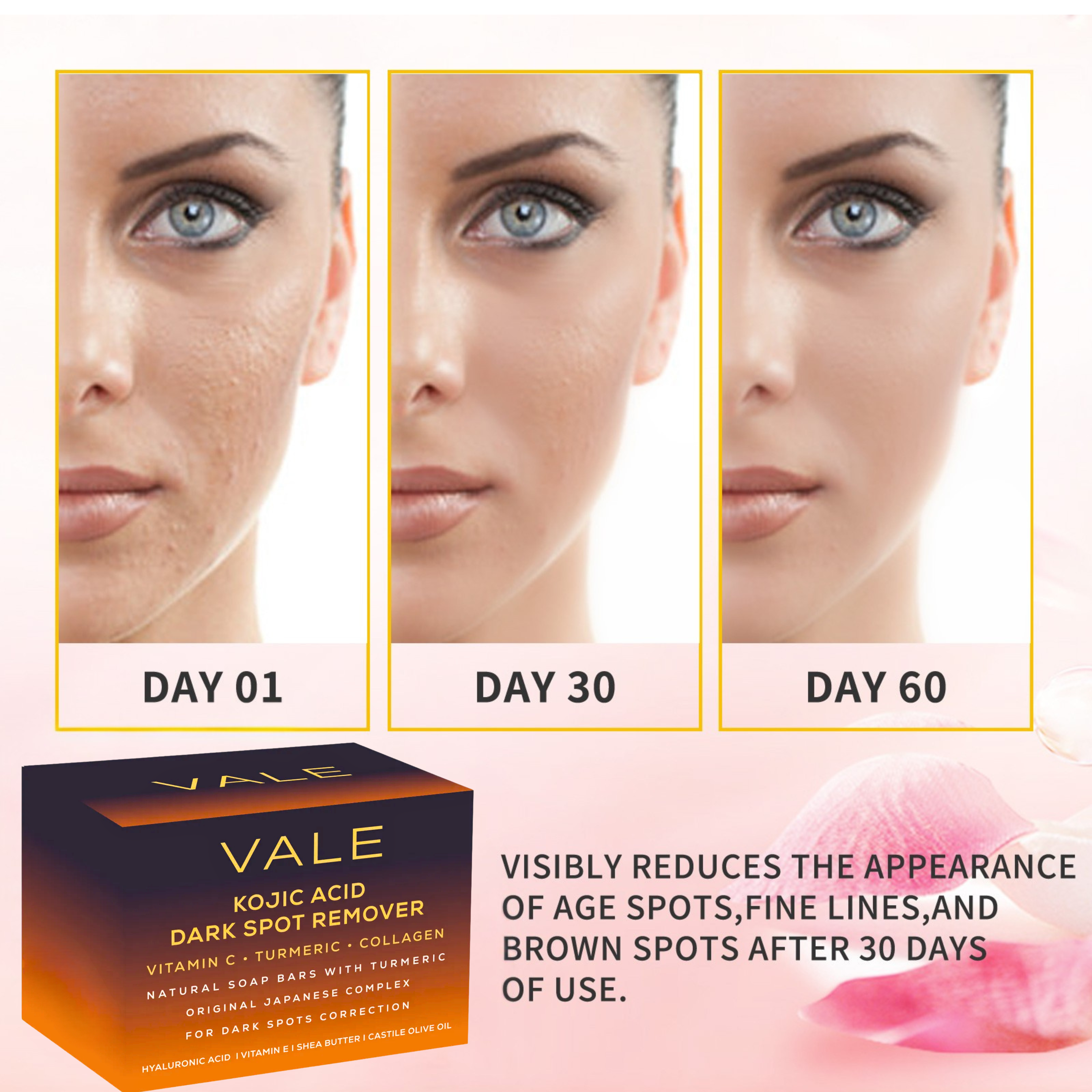
Experience the natural skin brightening power that thousands of customers love. Transform your skin in just 30 days with our premium kojic acid formula.
Love This Article? Try Our Products!
Put these skincare tips into action with our premium Vale Kojic Acid Soap. Join thousands of satisfied customers who achieved amazing results.